


-

Add: HeBei ShengShi HongBang Cellulose Technology CO.,LTD.
-

Email
13180486930@163.com -

CONTACT US
+86 13180486930




Kizuia Jasi Embracing Resilience and Strength In a world fraught with challenges, the concept of Kizuia Jasi emerges as a beacon of hope and resilience. This phrase, derived from theoretical notions in philosophical literature, embodies the essence of overcoming adversity and thriving despite life's uncertainties. Kizuia Jasi can be interpreted as a symbolic journey through pain and healing. It suggests that every scar we carry tells a story— a narrative of struggle, growth, and ultimately, transformation. Each experience of hardship shapes us, offering lessons that fortify our spirit and illuminate the path towards self-discovery. Kizuia Jasi Embracing Resilience and Strength Cultural narratives across the globe highlight the importance of resilience, and Kizuia Jasi aligns closely with these traditions. In many cultures, stories of heroes overcoming adversity serve as metaphors for human tenacity. From ancient mythologies to modern literature, the motif of the underdog triumphing against all odds inspires individuals to confront their fears and stand tall in the face of adversity. These narratives not only entertain but also instill a sense of possibility, reminding us that resilience is a universal human trait. kizuia jasi Moreover, Kizuia Jasi encourages introspection and self-awareness. Understanding our pain allows us to navigate the complexities of our emotions, transforming them into sources of strength. Journaling, therapy, and open dialogues about mental health can facilitate this understanding. By processing our experiences—whether they involve loss, failure, or personal setbacks—we create space for healing. This healing is not linear; rather, it comes in waves, ebbing and flowing as we traverse the landscape of our emotions. In embracing Kizuia Jasi, we also cultivate empathy towards others. Recognizing that everyone bears their own scars fosters compassion and connection. By sharing our stories of resilience, we create a community built on mutual understanding and support. In a society that often celebrates success without acknowledging the struggle behind it, Kizuia Jasi invites us to honor both the triumphs and the trials. As we navigate an increasingly complex world, the principles embodied in Kizuia Jasi remind us that resilience is empowered through community and shared experience. In moments of darkness, it is the bonds we forge with others that illuminate our path forward. We learn, we support, and we rise together. In conclusion, Kizuia Jasi serves as a powerful reminder that within each of us lies the capacity to weather storms and emerge stronger than before. It encourages us to embrace our scars, recognizing them as symbols of our journeys rather than marks of defeat. As we navigate the complexities of our lives, may we carry the spirit of Kizuia Jasi in our hearts— a testament to our resilience, our strength, and our unyielding capacity to rise above adversity. Through this embrace, we allow ourselves not only to survive but to flourish in the face of challenges, turning our pain into powerful narratives of hope and transformation.
- 40000tons

Production
- 20+years

Experience
- 5000+㎡

Acreage

-
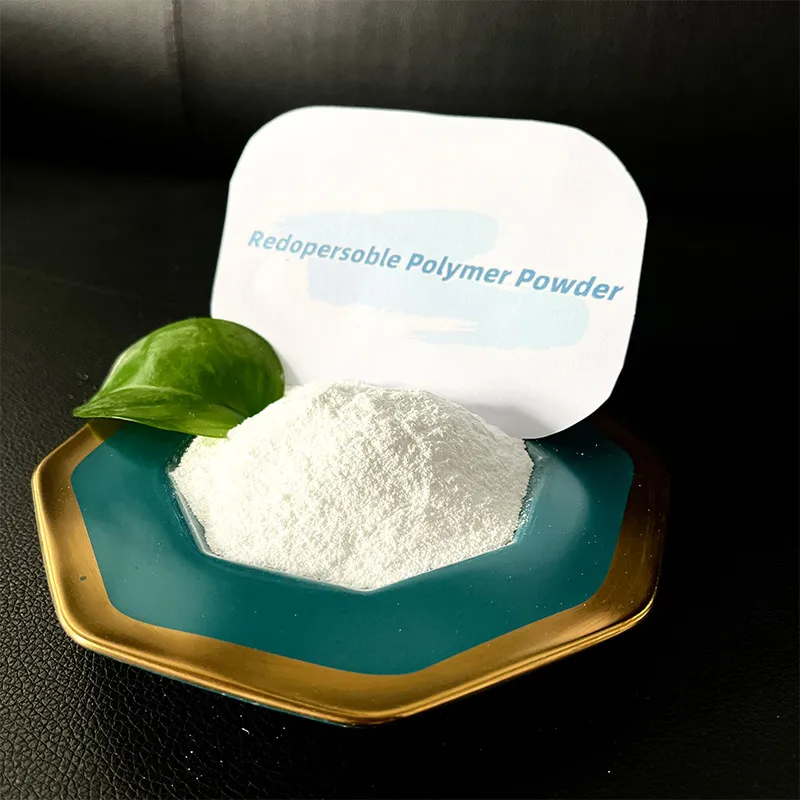
In the realm of construction and building materials, one innovative component is making waves for its ability to enhance the durability of structures rubber powder used in waterproof mortar. This material has not only transformed the waterproofing industry but also become a key player in sustainable building practices. Explore this article to uncover the profound impact of rubber powder on waterproof mortar, supported by expert insights and trusted recommendations. Rubber powder's journey into waterproof mortar applications stems from a pressing need for more durable, flexible, and environmentally conscious construction materials. As cities expand and climate change continues to challenge traditional infrastructure, the demand for more resilient building materials has never been more critical. Experience and expertise reveal that rubber powder significantly improves the flexibility and elasticity of waterproof mortar . Traditional waterproofing solutions can become brittle over time, leading to potential cracks and water ingress. However, incorporating rubber powder enhances the material's elasticity, allowing it to withstand structural movements and temperature fluctuations without compromising its integrity. According to Dr. Emily Langford, a materials scientist with over two decades of experience, Rubber powder's inclusion in waterproof mortar not only extends the lifespan of the material but also provides a sustainable solution by repurposing waste rubber from used tires. Concrete structures face constant moisture exposure, which can lead to severe damage if not properly managed. Rubber powder embedded in waterproof mortar forms an impermeable barrier, effectively sealing structures against water infiltration. This is particularly beneficial in high-moisture environments or in constructions like basements, tunnels, and swimming pools where water resistance is paramount. John Maxwell, a renowned civil engineer, emphasizes that using rubber powder in mortar enhances water-resistance properties significantly, making it an ideal choice for projects requiring robust waterproofing. rubber powder used in water proof mortar One of the most compelling arguments for utilizing rubber powder in waterproof mortars is its alignment with sustainability goals. By repurposing end-of-life tires into powder form, the construction industry not only reduces landfill waste but also conserves natural resources. This closed-loop system contributes to lower carbon footprints and bolsters green building certifications. Elizabeth Chen, an environmental consultant, notes, Projects implementing rubber powder-enhanced waterproof mortar see not just improved performance but also meet key sustainability benchmarks, appealing to environmentally conscious developers and contractors. Trustworthiness in construction materials cannot be overstated, and rubber powder has proven itself as a reliable component through a series of rigorous tests and real-world applications. Certified laboratory analyses reveal that mortar mixed with rubber powder exhibits superior crack bridging capabilities and longevity under stress, compared to conventional mortars. Additionally, feedback from construction firms that have adopted this technique indicates consistent satisfaction with the results, citing significant reductions in maintenance costs and downtime due to water damage. The adoption of rubber powder in waterproof mortar represents a forward-thinking approach to building resilience. As urban landscapes continue to grow and the construction sector moves towards more sustainable practices, this innovative material will undoubtedly play a pivotal role. Research and field data support the view that rubber powder not only meets but exceeds the stringent requirements of modern construction projects. In conclusion, the integration of rubber powder into waterproof mortars marks a significant advancement in building material technology. Its contribution to improved structural flexibility, superior water resistance, and enhanced sustainability practices aligns with contemporary demands for robust and eco-friendly construction solutions. As the construction industry evolves, rubber powder stands out as a testament to meeting today's challenges with innovative, reliable, and future-ready solutions.
-
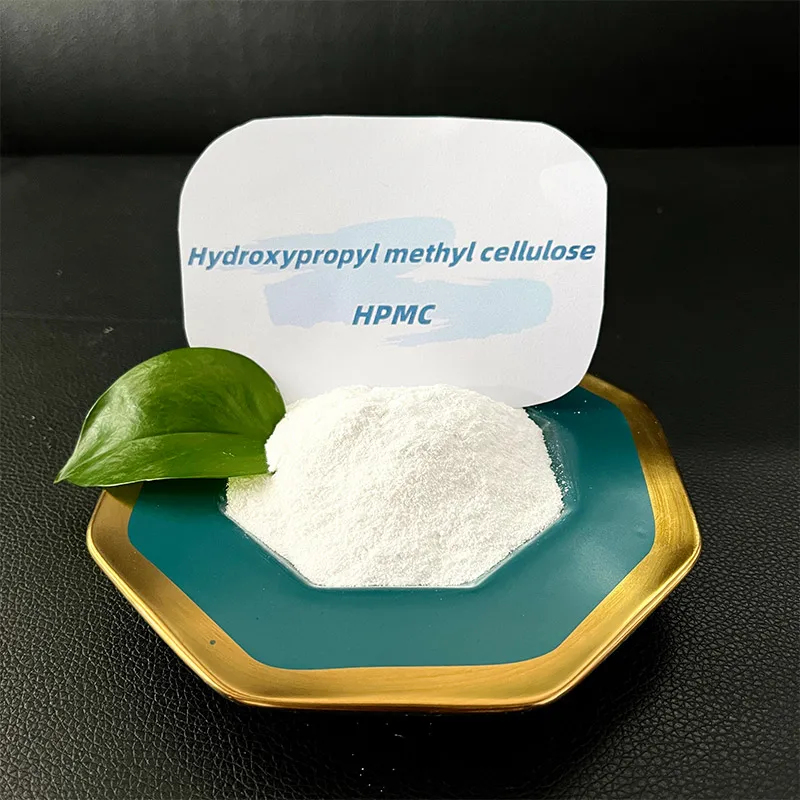
Different Types of Synthetic Fibers Synthetic fibers have revolutionized the textile industry since their inception in the early 20th century. These man-made materials, derived from chemical processes or petroleum products, have become indispensable due to their unique properties, versatility, and cost-effectiveness. In this article, we will explore the different types of synthetic fibers, highlighting their characteristics, uses, and contributions to various industries. 1. Polyester One of the most widely used synthetic fibers is polyester, which is known for its strength, durability, and resistance to shrinking and stretching. Polyester is commonly produced from polyethylene terephthalate (PET) and is often blended with natural fibers like cotton to enhance fabric performance. Its low moisture absorbance makes it an excellent choice for athletic wear, outdoor clothing, and home textiles such as curtains and upholstery. Additionally, polyester is easy to wash and dries quickly, further contributing to its popularity in the fashion industry. 2. Nylon Developed in the 1930s, nylon was the first synthetic fiber made entirely from petrochemicals. Known for its remarkable elasticity and resilience, nylon is often used in products requiring high strength, such as fishing lines, ropes, and tire cords. In the apparel sector, nylon is favored for its lightweight qualities and ability to dry quickly, making it ideal for activewear and swimwear. Furthermore, nylon can be produced in various textures and finishes, enabling its application in a wide range of clothing and accessories. 3. Acrylic Acrylic fibers, often used as substitutes for wool, are known for their lightweight and warmth. They are created from polymers of acrylonitrile and possess excellent colorfastness, meaning they retain their color even after extensive washing. Acrylic is commonly found in sweaters, blankets, and upholstery fabrics. Although they mimic the feel of natural wool, acrylic fibers are often more affordable and easier to care for, making them a popular choice for both consumers and manufacturers. different types of synthetic fibers 4. Spandex Spandex, also known as elastane, is a synthetic fiber celebrated for its exceptional elasticity. Typically composed of a polymer called polyurethane, spandex can stretch up to five times its original length. This characteristic makes it an ideal component in garments requiring flexibility, such as athletic apparel, swimwear, and undergarments. Often blended with other fibers, spandex enhances fit and comfort while providing support and shape retention. 5. Rayon Though technically derived from natural materials, rayon is classified as a semi-synthetic fiber due to chemical processing. Made from regenerated cellulose, rayon exhibits similar characteristics to silk, making it a popular choice for affordable luxury fabrics. Rayon drapes beautifully and has excellent breathability, making it suitable for summer clothing, dresses, and linings. However, rayon's susceptibility to wrinkling and moisture absorption requires careful handling during washing and drying. 6. Olefin Olefin fibers, also known as polypropylene fibers, are notable for their high resistance to moisture, stains, and mildew. This makes them an excellent choice for outdoor furniture, carpets, and automotive interiors. Olefin is lightweight and has good thermal insulation properties, which can be advantageous in clothing designed for colder climates. However, olefin can be less colorfast than other synthetic fibers, which may affect its use in fashion applications. Conclusion The development of synthetic fibers has not only expanded the range of available materials in the textile industry but has also provided innovative solutions across various sectors. Each type of synthetic fiber offers distinct advantages, catering to different consumer needs and preferences. From polyester and nylon's durability to spandex's elasticity, synthetic fibers continue to play a vital role in modern manufacturing and fashion. As technology advances, the potential for new types of synthetic fibers will likely continue to emerge, further enhancing the versatility and capabilities of textiles worldwide.
advantages
-

200000 Viscosities
Excellent product
We can produce pure products up to 200,000 viscosities
-

40000 tons
High yield
We don’t stop production all year round, and the annual output can reach 40,000 tons
-

24 hours
Quality service
We provide 24-hours online reception service, welcome to consult at any time
———— Inquiry Form
Schedule A services


-
 strong_synthetic_fibers
Oct . 25, 2025
Hydroxypropyl methylcellulose, commonly known by its acronym HPMC, stands as one of the most pivotal -
 hpmc_k100m_viscosity
Oct . 25, 2025
In the realm of ocular health, the challenge of maintaining eye moisture has garnered immense attent -
 hpmc_k4m
Oct . 25, 2025
Hydroxypropyl Methyl Cellulose Manufacturers An Overview Hydroxypropyl methyl cellulose (HPMC) is a


